
CARE International’s history in Türkiye
CARE first began working in Türkiye in 1959. Our presence in the country expanded significantly in 2014 to respond to the growing number of refugees fleeing the conflict in neighboring Syria,
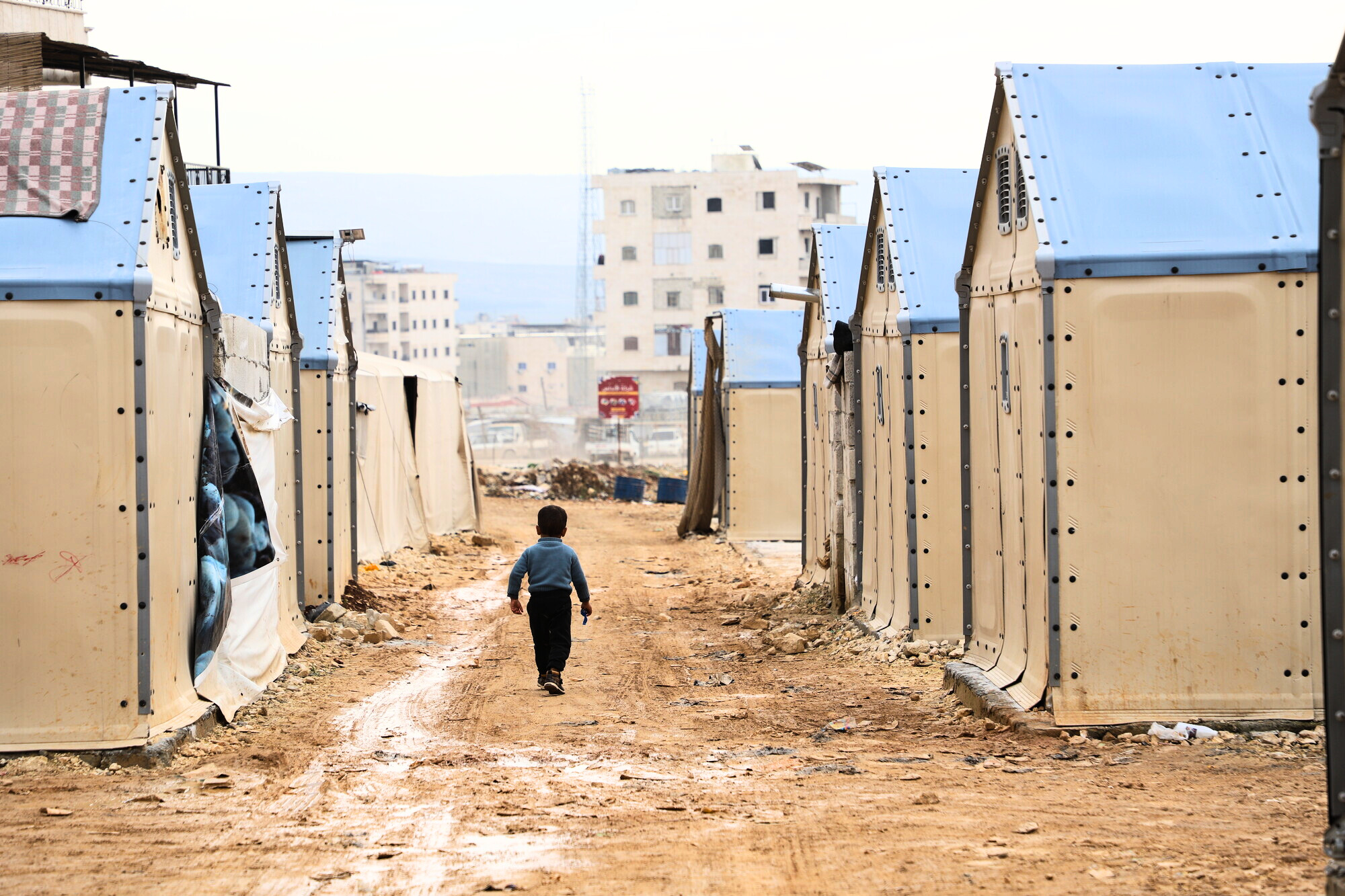
Since then, CARE has worked to support refugees and host communities facing economic and social challenges linked to displacement. Türkiye hosts the highest number of refugees globally, reporting over 3.6 million registered Syrian refugees.
We also help respond to major crises, including the 2023 Türkiye-Syria earthquakes. Throughout the last decade, we worked in several provinces including Gaziantep, Kilis, and Şanlıurfa, but our current focus is on Hatay and Adana.
CARE’s work concentrates on providing humanitarian aid while helping refugees and vulnerable communities improve their lives in the long-term, with more resilience to crises and lasting economic stability.
CARE and partners’ work in Türkiye
CARE works with local authorities to support refugees and host communities across Türkiye. Our work focuses on:
Crisis response
In addition to very limited resources, refugees in Türkiye face protection, abuse, and exploitation risks. These are driven by discrimination, language barriers, and a lack of reliable information on, and access to, rights and assistance systems. Negative coping mechanisms, coupled with the lack of livelihoods, further increase these risks, particularly for women and girls.
CARE provides humanitarian aid to refugees and vulnerable families through cash support and the distribution of essential items, such as hygiene supplies and dignity kits. We also provide psychosocial support and protection services for people facing increased risks, including women and girls, persons with disabilities, and individuals with limited or no legal status.
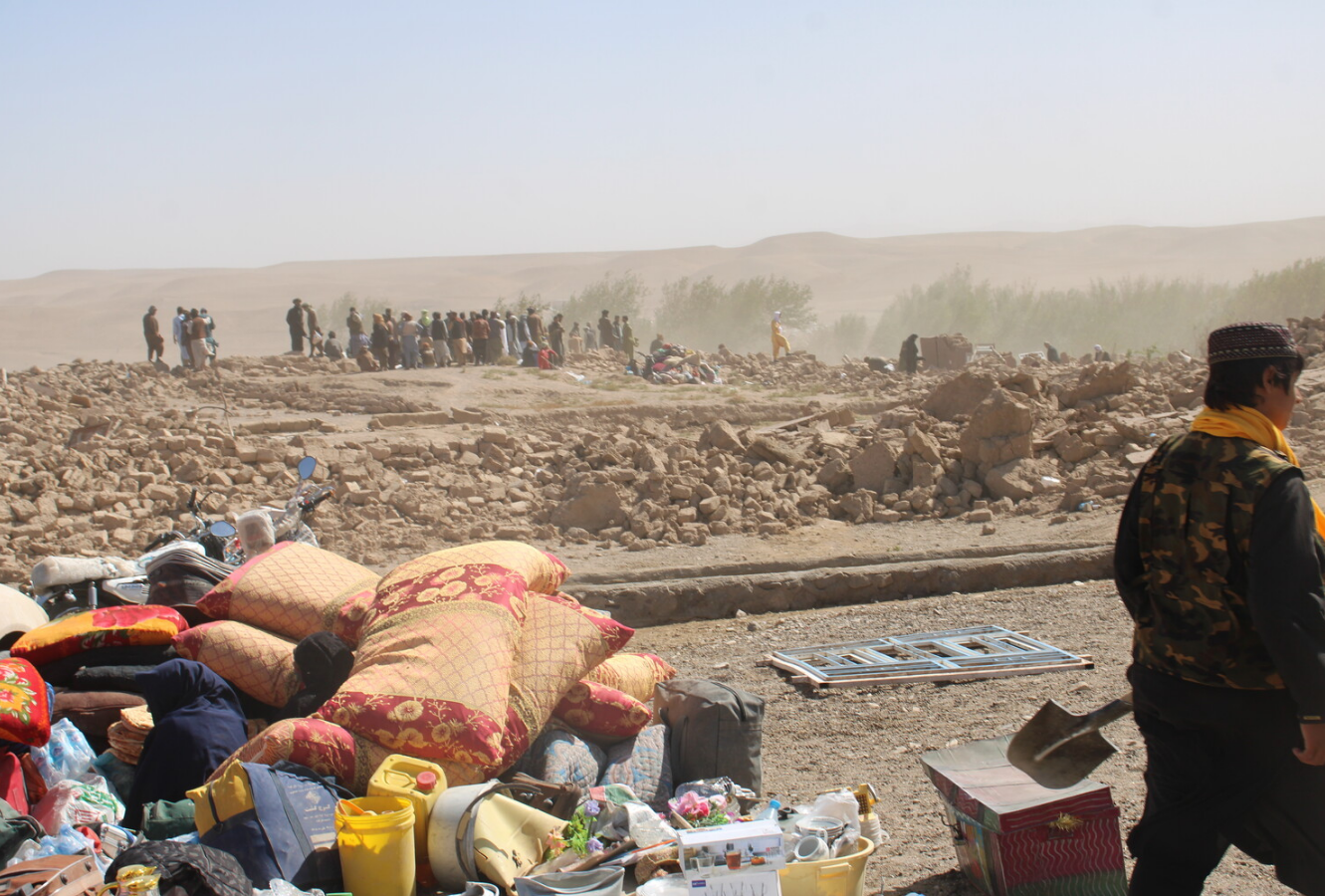
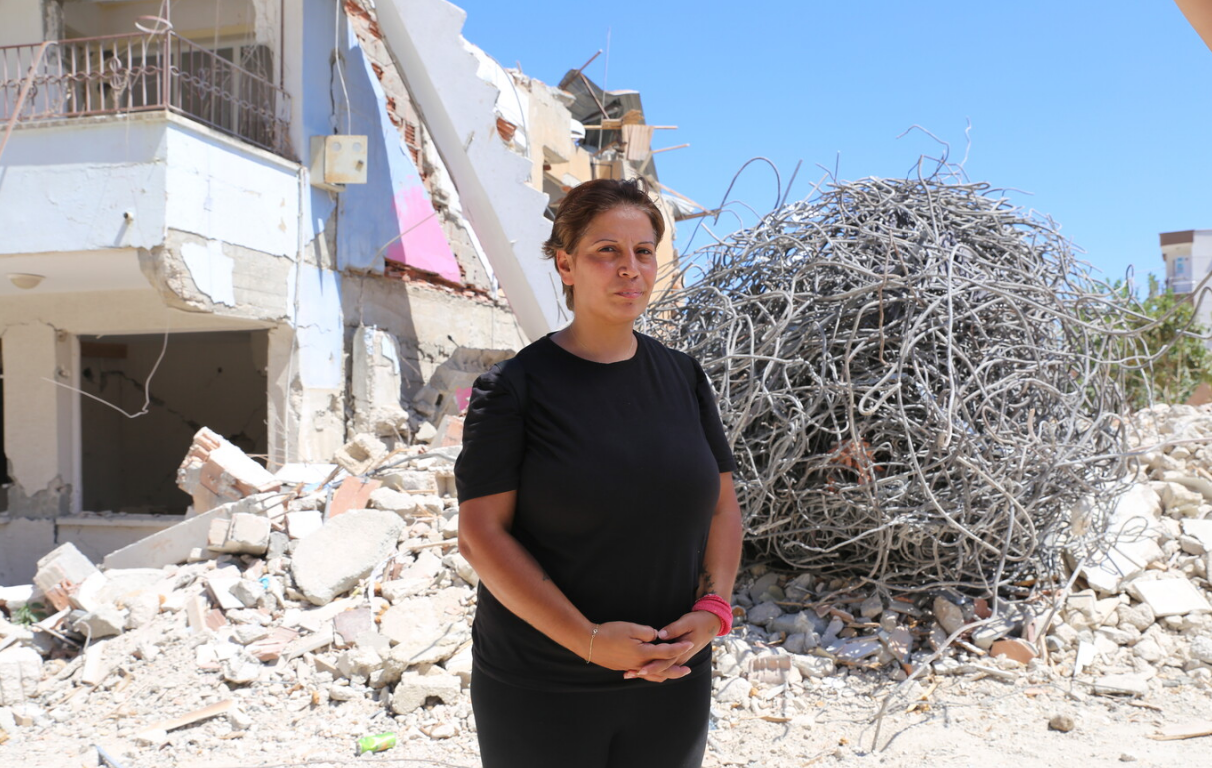
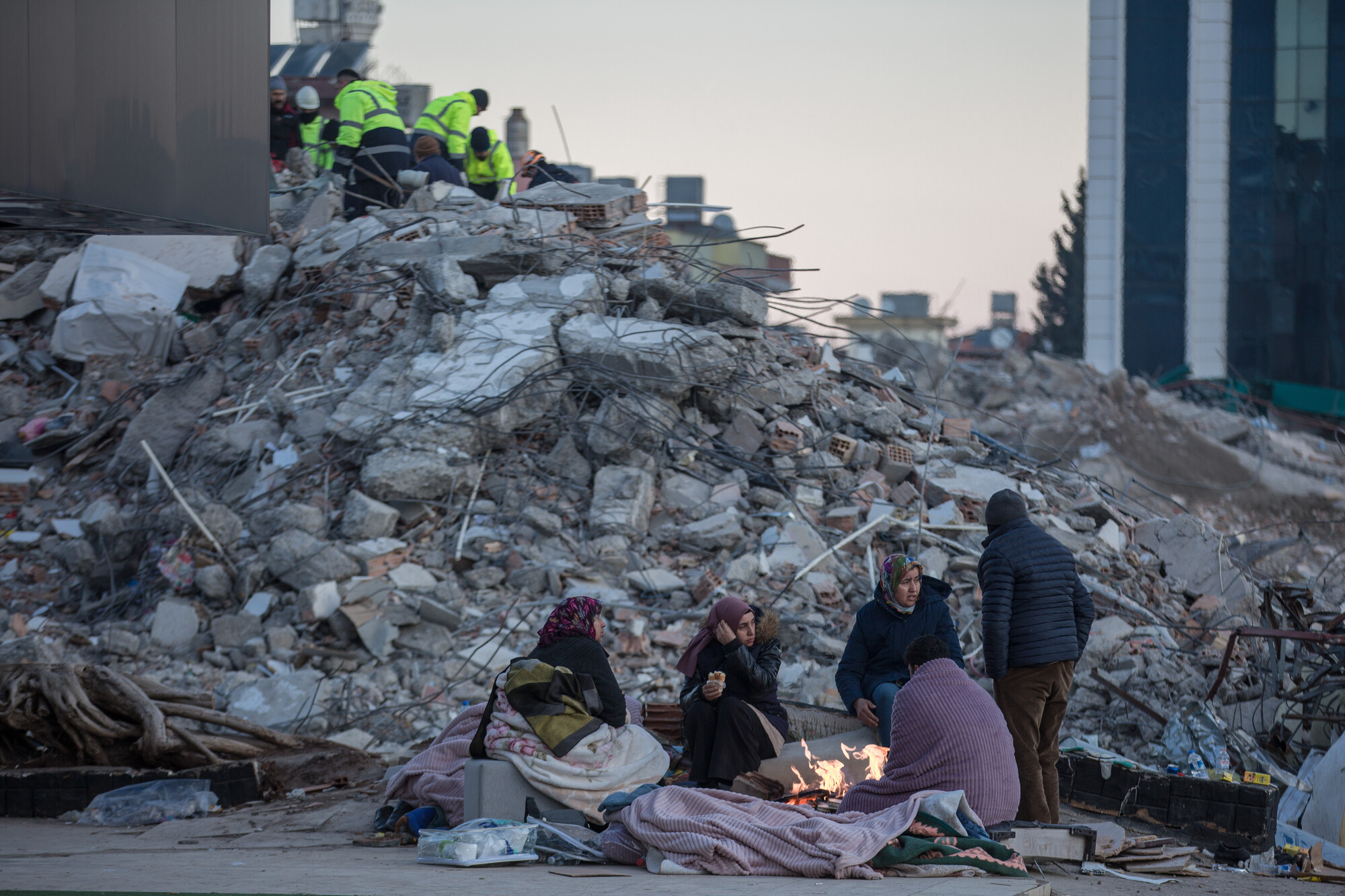
In February 2023, two powerful earthquakes struck southeastern Türkiye and Syria, killing over 50,000 people and affecting millions more across 11 provinces. Hatay was among the most severely affected, with widespread destruction of homes, infrastructure, and livelihoods. CARE responded quickly, working alongside local authorities to provide emergency assistance, including shelter support, cash and vouchers, and essential items. We continue to support affected communities as they recover and rebuild their lives.
Food and water
CARE supports families to access food, safe drinking water, and basic hygiene supplies as part of its emergency response to displacement and crisis.
Making the economy work
CARE supports refugees, particularly women, to strengthen economic independence through skills training, small business support, and opportunities that help families rebuild livelihoods and increase self-reliance.
CARE implements programs directly in Türkiye and works in close coordination with municipalities and local authorities through established agreements to ensure assistance reaches those most affected.
Focus on women and girls
Women and girls are at the centre of CARE’s work in Türkiye.
Our efforts are based on approaches used across the CARE Confederation, such as Women Lead in Emergencies (WLiE) and She Feeds the World . These approaches are focused on supporting women’s leadership, resilience, and economic growth. CARE also works with the most vulnerable groups, including women and girls, persons with disabilities, and unaccompanied or separated minors, to ensure they can access support and protection services.
CARE Türkiye helps women and girls to:
- Access protection services, legal support, and safe spaces
- Receive reliable information about their rights and available services
- Strengthen livelihoods and economic opportunities
- Participate in community networks and decision-making
By supporting women’s safety, wellbeing, and economic participation, CARE helps strengthen resilience for refugee and host communities across Türkiye.
For recent updates on CARE Türkiye’s work, see here.